Unlocking Creativity with Vector Infographic Design Elements
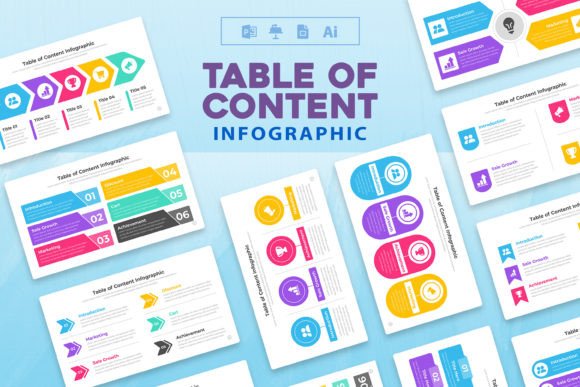
An Info Graphics Elements Vector file is more than a digital download; it's a toolbox for visual communication. These collections contain scalable graphic components—icons, charts, shapes, connectors, and illustrative motifs—all crafted as vector artwork. This means they can be resized infinitely without losing quality, edited in programs like Adobe Illustrator or CorelDRAW, and adapted to fit a vast array of projects. Their inherent flexibility is what makes them so fundamentally useful. Unlike a static JPG, these elements in EPS, AI, or CDR format are building blocks waiting to be assembled, colored, and contextualized by your creative vision.
The Creative Possibilities Are Endless
When you possess a set of vector infographic elements, you hold the raw materials for countless narratives. Think beyond the traditional "infographic" as a single, long-form chart. The individual elements can be deployed separately or combined in novel ways to create clarity and engagement across your entire content ecosystem.
Consider these directions:
- Micro-Infographics: Use a single chart element or a small icon group to explain a key point within a blog post, social media update, or email newsletter. This breaks complex information into digestible, scannable moments.
- Dynamic Presentations: Animate these vector elements in presentation software. Make a pie chart segment grow, have icons slide into view, or use connectors to build a diagram step-by-step during a talk. This transforms static data into a story.
- Branded Report Design: Integrate the elements into annual reports, white papers, or case studies. By using a consistent set of stylized shapes and icons, you create a professional, cohesive visual language that reinforces your brand while making data accessible.
- Educational Materials: For educators and trainers, these vectors are perfect for creating clear worksheets, course slides, or instructional handouts. A well-designed diagram element can often explain a concept more effectively than paragraphs of text.
Adapting Elements for Your Audience and Goals
The true power lies in adaptation. A marketer aiming for a youthful, energetic audience might take the same basic arrow or process flow element and apply bright, contrasting colors and bold strokes. A financial consultant targeting corporate clients might use those exact same elements but color them in muted, professional tones and integrate them into a layout with ample white space and formal typography. The vector file provides the form; you provide the context, style, and intent.
This is where the provided file formats become crucial. The editable AI or EPS files allow you to:
- Change colors to match your brand palette exactly.
- Combine elements: overlay an icon on a chart background, or link multiple shapes with custom connectors.
- Adjust stroke weights or add subtle textures to match the aesthetic of your overall design project.
- Extract only the parts you need, ignoring other components, for a minimalist look.
The JPG serves as a handy preview or a quick-use asset for non-editable contexts, but the vector formats are where the creative work happens.
Practical Inspiration for Specific Users
Let's ground this in realistic scenarios. Imagine a small business owner who has downloaded an Info graphics elements vector pack. They could use a simple "growth" arrow element, customized in their brand blue, to visually highlight a key achievement on their website's homepage. A blogger might take a set of icon elements related to "steps" or "stages" and create a custom graphic for a "5-Step Guide" post, ensuring each icon aligns semantically with the step's content.
For a freelance designer, such a vector pack is a starting point to accelerate client work. They can rapidly prototype data visualization concepts for a client, using the elements as a base to be heavily modified, saving time on drawing every shape from scratch while still delivering original, client-specific results.
Hobbyists or community educators might find the simplicity liberating. Without needing advanced drawing skills, they can assemble clear, attractive diagrams for a community group's project plan or a personal hobby tutorial using edited and recolored elements.
Maintaining Clarity and Effectiveness
While the elements are flexible, good communication principles still apply. When adapting your vector infographic elements, keep these guidelines in mind:
- Hierarchy: Even in a single graphic, use size and color to show what's most important. A large, bold icon draws attention before a smaller, secondary chart.
- Consistency: If you're using elements across a series (like a multi-part blog series or a webinar slide deck), maintain a consistent color treatment and style for those elements. This creates a recognizable visual thread for your audience.
- Simplicity: Don't overcrowd. The beauty of vectors is that you can use just one or two perfect elements. Often, a single, well-chosen icon next to a statistic is more powerful than a complex, busy diagram.
- Audience Alignment: Always edit with your viewer in mind. An audience of technical experts might appreciate more detailed, nuanced chart elements. A general public audience likely needs simpler, more metaphorical icons.
The goal is not to use every element in the pack, but to use the right elements thoughtfully.
From Download to Original Design
Receiving a design in multiple formats—EPS, AI, CDR, JPG—is an invitation to integrate it into your workflow. Start by opening the vector file in your preferred software and exploring the layers or groups. See what discrete components exist. Then, think about your current project: What information needs visual support? Where is text alone failing to convey the message?
Select, isolate, and modify. This process ensures your final graphic is original—it bears your creative decisions in color, composition, and application—while building on the solid foundation of professionally drawn elements. It bridges the gap between having no design resources and needing to commission custom artwork from scratch, empowering a wide range of creators to produce clearer, more engaging, and more visually competent content.
Ultimately, an Info Graphics Elements Vector collection is a catalyst. It reduces the technical barrier to creating effective data visuals and informational graphics, freeing you to focus on the more important tasks: interpreting your information, understanding your audience, and telling your story with clarity and impact. The files are the raw material; your insight and purpose are what transform them into genuine communication.