Unlocking Visual Communication with the Lattice Infographics Layout
In the modern landscape of content creation, we’re all competing for a moment of someone’s attention. Whether you’re presenting quarterly results, explaining a complex service, or promoting a community event, the need to communicate clearly and quickly is universal. This is where the power of a well-designed infographic template, like the Lattice Infographics Layout, comes into play. It’s not just a file you download; it’s a visual framework designed to bring order and style to your information.
What Exactly Is the Lattice Infographics Layout?
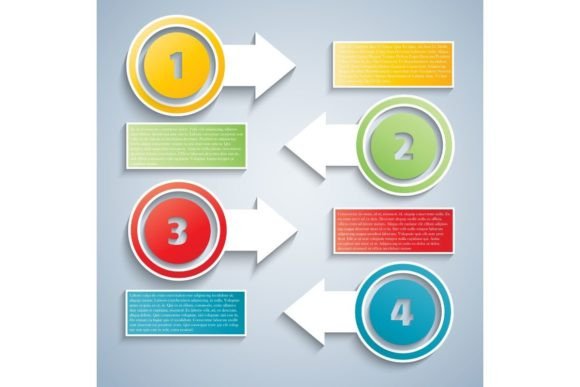
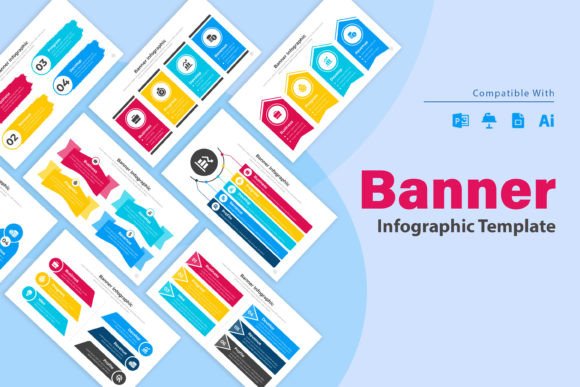
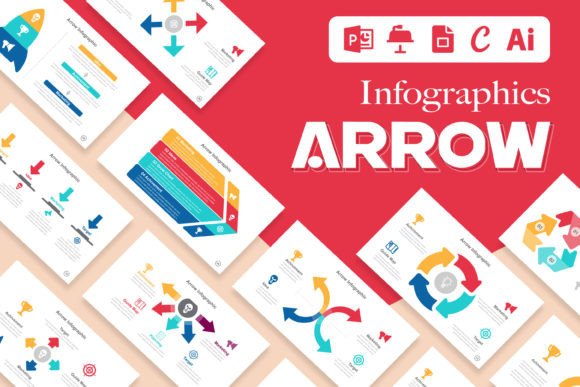
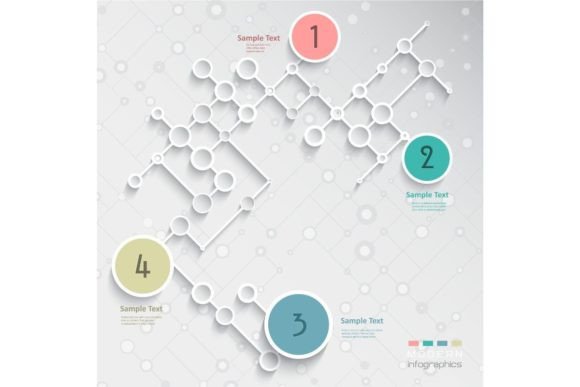
Think of it as a sophisticated, ready-to-use blueprint for visual data. The term "lattice" refers to its underlying structure—a modern, grid-like design that organizes text, icons, charts, and images into cohesive sections. This isn’t a random collection of shapes; it’s a thoughtfully composed layout that provides balance and flow. The package typically includes a vector EPS file, which means you can scale it to any size without losing quality for large posters or tiny social media icons, and a high-resolution JPG for immediate use. This duality makes the Lattice Infographics Layout a versatile starting point, whether you’re a seasoned graphic designer or a marketer using basic editing software.
The Real-World Scenarios Where This Layout Shines
Imagine you’re a sustainability officer at a manufacturing company. Your task is to present the annual environmental impact report to stakeholders who may not have time to read a 30-page document. Using the Lattice Infographics Layout, you can transform key data points—reduction in carbon emissions, water recycling rates, waste management statistics—into a single, impactful page. The lattice’s structured zones allow you to place a bold headline, a central chart, and supporting icon-driven facts around it, creating a narrative that’s absorbed in minutes rather than hours.
Or consider a freelance fitness coach building her online presence. She needs to explain her unique 12-week transformation program on Instagram and her website brochure. A text-heavy post gets lost. By adapting the Lattice Infographics Layout, she can map out the program phases, highlight nutrition milestones, and illustrate recovery protocols in a visually engaging way. The modern aesthetic of the layout aligns perfectly with the health and wellness industry’s preference for clean, aspirational visuals.
Adapting to Diverse Audiences and Industries
The utility of the Lattice Infographics Layout cuts across fields. In education, a university department might use it to create a flyer for a public lecture series, breaking down topics, speaker bios, and dates in an easily navigable format. For a tech startup, it becomes a tool to simplify a complex service offering for potential clients on a sales page, using the lattice’s sections to differentiate features, benefits, and integration steps.
Small business owners, often strapped for design resources, find particular value here. A local bakery launching a new line of artisan breads could use the template for a poster in the shop window and a social media post. They can insert photos of the breads, list key ingredients in dedicated lattice cells, and highlight the story behind the recipes. The layout does the heavy lifting of design hierarchy, allowing the owner to focus on their content.
How Different Users Extract Different Benefits
A graphic designer sees the Lattice Infographics Layout as a rapid prototyping tool. Starting with the vector EPS file, they can deconstruct, recolour, and add custom illustrations, saving hours of initial layout work. Their benefit is efficiency and a strong foundational composition.
A social media manager, however, might use the provided JPG as a background in a simple tool like Canva. They overlay their text and icons onto the predefined lattice structure, ensuring every post maintains a consistent, professional brand look across platforms. Their benefit is consistency and speed without needing advanced design skills.
An event organizer benefits from its scalability. That same EPS file can be used to print a large, high-quality poster for a conference hall and a small flyer for handouts, ensuring visual coherence across all materials. Their benefit is unified branding at multiple physical scales.
Practical Considerations Before You Begin
While the Lattice Infographics Layout offers flexibility, a little forethought ensures you use it effectively. First, assess your core message. What is the single most important takeaway? The layout has focal points—usually the central or top sections—that should house this primary idea.
Next, gather your assets. Do you have high-quality icons, photographs, or data charts ready? The template provides structure, but your content needs to be prepared to populate it. Also, consider your colour palette. While you can adjust colours in the vector file, planning how your brand colours will work within the lattice’s compartments creates a more harmonious final piece.
Finally, know your output. Are you creating primarily for web (social media, website) or for print (brochure, poster)? The 300 dpi JPG is excellent for most digital and basic print needs, but for large-format professional printing, the vector EPS file is essential to avoid pixelation.
Recognizing Its Strengths and Navigating Its Boundaries
The primary strength of the Lattice Infographics Layout is its foundational clarity. It prevents visual chaos and guides the viewer’s eye logically through the information. Its modern, grid-based aesthetic is inherently professional and adaptable to many contemporary brands.
A potential consideration is that its style is defined. If your brand identity is highly organic, free-flowing, or deliberately chaotic, this structured lattice might require significant modification to align. It’s a template, not a blank canvas. Also, while it organizes information beautifully, it may not be the ideal choice for a single, massive, continuous flowchart or a timeline spanning dozens of events without segmentation. Its power lies in compartmentalizing related clusters of data.
Ultimately, the Lattice Infographics Layout serves as a bridge between your raw information and your audience’s understanding. It turns data into a visual experience, ideas into digestible insights, and complex services into clear value propositions. By providing that crucial structure, it empowers you to communicate not just what you know, but why it matters.