Infographics Layout Background: A Practical Tool for Modern Visual Communication
The visual component of any presentation, report, or marketing campaign is crucial for engagement. Within that component, the underlying structure—the layout and background—often determines success or failure. This is where the concept of an Infographics Layout Background comes into play. It is not merely a decorative template; it is a foundational asset designed to streamline the creation of modern infographics across a multitude of platforms and purposes.
Defining Your Visual Starting Point
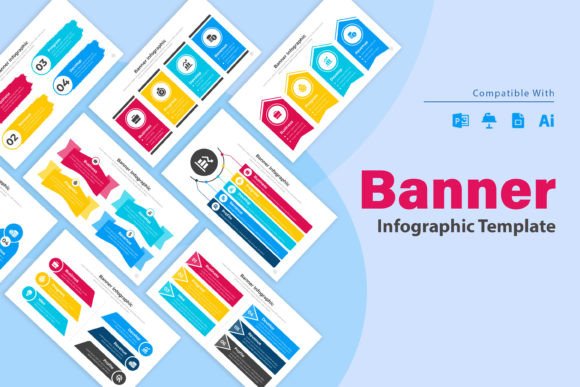
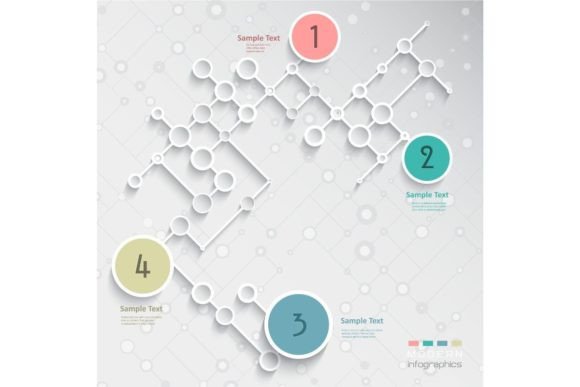
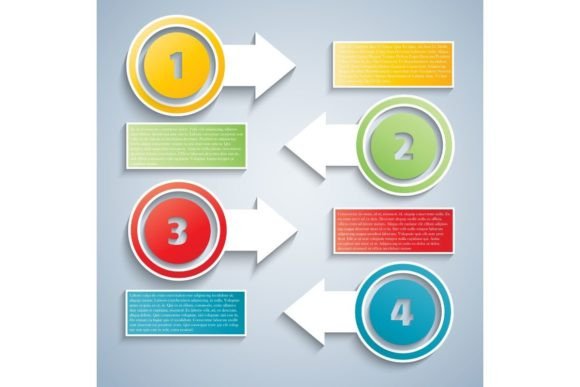
An Infographics Layout Background is a pre-designed framework. It provides a cohesive visual foundation—typically including coordinated color zones, text placement areas, icon integration points, and data visualization spaces—before you add your specific content. The specific template mentioned includes a vector EPS file for infinite scalability and editing, and a high-resolution JPG for immediate use. This duality addresses two distinct phases in a creator's workflow: the flexible design phase and the rapid deployment phase.
For professionals, marketers, and educators, this tool fits into the early planning and execution stages of a project. Instead of starting from a blank canvas, which consumes time on structural decisions like hierarchy and balance, you begin with a proven, stylish layout. Your cognitive effort is then directed entirely toward curating and inputting your data, message, or story, significantly accelerating the production timeline.
Integrating the Background into Your Existing Workflow
The practical value of an Infographics Layout Background is best understood through its interaction with other elements in a standard workflow. Consider a social media manager planning a campaign. Their process might involve data analysis from analytics tools, key message extraction from a brand guideline document, and image selection from a stock asset library. The infographic template sits at the confluence of these inputs. It becomes the vessel that organizes and presents the gathered information cohesively.
Similarly, an educator preparing a lesson supplement might pull statistics from a research paper, concepts from a textbook, and questions from a curriculum plan. The pre-established layout ensures that this diverse content is presented with visual consistency, aiding student comprehension without the educator needing graphic design expertise. The template interacts not with other software, but with your raw content and intent, acting as a translator between information and audience.
From Planning to Publication: A Workflow Example
Imagine a small business owner creating a flyer for a local event. Their workflow, integrating the Infographics Layout Background, could unfold naturally:
- Content Preparation: They finalize the event details: date, location, highlights, and a call to action. This text is compiled in a simple document.
- Asset Selection: They choose a logo and perhaps one or two key photographs.
- Template Application: They open the vector EPS file in a design program like Adobe Illustrator or a compatible free alternative. Using the layered layout, they drop the text into the predefined text areas, place the logo in the designated spot, and insert photos into the image containers. The background's color scheme and structure remain intact, ensuring design consistency.
- Output and Distribution: For a quick print-ready version, they might use the provided 300 dpi JPG directly. For online use, they export a web-optimized PNG from the vector file. The same core layout is now adapted for a physical flyer and a Facebook post.
This process bypasses the hours typically spent on aligning elements, choosing complementary colors, or establishing visual hierarchy. The Infographics Layout Background handles those design decisions upfront.
Key Considerations for Effective Implementation
To leverage such a template effectively, a few practical observations are essential. First is compatibility. The inclusion of a vector EPS file is a significant advantage for long-term use. Vector files can be resized for a poster or shrunk for a brochure without quality loss, and they allow element editing (changing a color block, adjusting a shape) for future projects, making the template a reusable asset rather than a single-use item.
Second is content adaptation. The most effective users do not force content to fit a layout awkwardly. They assess their message beforehand and select—or slightly modify—the template zones that best serve it. Perhaps the data section is emphasized by enlarging it within the vector file, or a text area is merged. The template provides a starting structure, not an immutable cage.
Ensuring Consistency Across Multiple Projects
For brands, freelancers, or publishers who produce visual content regularly, consistency builds recognition and trust. An Infographics Layout Background can serve as a visual anchor across multiple outputs. By using the same foundational layout (with minor content-specific adaptations) for a series of blog graphics, social media posts, and report covers, you create a cohesive visual language. This is a subtle but powerful form of quality control, ensuring that even under tight deadlines, the output maintains a professional standard.
This approach also aids in organization. Storing the master EPS file alongside your brand assets means any team member or future contractor can produce work that aligns visually with past materials, simplifying collaborative projects and maintaining efficiency.
Expanding Use Cases Beyond Digital Marketing
While digital uses are prominent, the applications are broader. The high-resolution JPG file is directly suitable for printed materials. A hobbyist creating a poster for a community club, an entrepreneur printing a brochure for a trade show, or an educator needing a classroom poster can all use the provided image file without any design software. This makes the tool accessible to users with varying technical skill levels.
Furthermore, the template's modern aesthetic is not limited to commercial use. Personal projects like visualizing a fitness journey, planning a complex home renovation timeline, or creating a compelling presentation for a local committee can all benefit from a structured, visually appealing layout. The process remains the same: gather your data or plan, map it to the template's sections, and produce a clear, engaging visual document.
Smooth Integration into Routine and Long-Term Strategy
The final step is making the Infographics Layout Background a natural part of your toolkit. For individuals, this might mean saving the files in a dedicated "Design Templates" folder and referencing them during the initial planning of any content-heavy task. For teams, it could involve adding the EPS file to a shared brand resource drive and briefly training members on its intended use zones.
In a long-term context, the template's value compounds. As you use it repeatedly, you become faster at populating it. You learn which adjustments yield the best results for your specific needs. It evolves from a purchased asset into a customized component of your production process. This transition from a one-time tool to a integrated resource is the hallmark of a practical, process-oriented asset.
Ultimately, an Infographics Layout Background addresses a common bottleneck: the structural design phase of visual communication. By providing a stylish, modern, and flexible starting point, it shifts the creator's focus from how to present information to what information to present. This shift is fundamental for professionals, educators, and creators who aim to communicate effectively without being hindered by the technical complexities of design. It is a strategic investment not just in a single graphic, but in the efficiency and consistency of your entire visual output workflow.