Arrow Infographics: The Ultimate Tool for Dynamic Visual Storytelling
In the world of presentations and visual storytelling, the impact of compelling visuals cannot be overstated. One such element that has become a game-changing ally for communicators across industries is the arrow infographic. These powerful designs transform static data into a flowing narrative, guiding the viewer's eye and mind through a sequence of ideas, comparisons, or progressions. With arrow infographics, you can say goodbye to bland presentations and hello to dynamic, engaging content that makes information memorable.
Why Arrow Infographics Are Your Secret Weapon
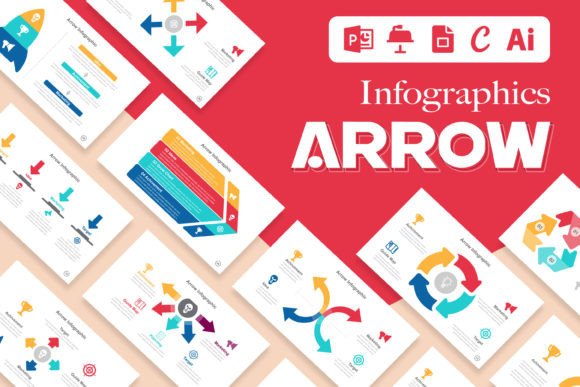
Whether you’re a professional presenter, a marketer, an educator, or simply someone looking to convey information effectively, arrow infographics offer a versatile and impactful solution. Their fundamental purpose is direction and connection. An arrow inherently suggests movement, progression, causality, or relationship. This simple visual cue, when integrated into a structured Arrow Infographics Templates Layout, provides a ready-made framework for organizing complex information.
The practical benefits are immediate. They reduce cognitive load for your audience by providing a clear path to follow. Instead of deciphering disjointed bullet points, viewers are led step-by-step through a process, a timeline, or a logical argument. This not only enhances understanding but dramatically improves retention. In a digital landscape saturated with information, the ability to make your content stick is a critical advantage.
The Core Types and Applications of Arrow Infographics
Understanding the common types helps you select the right Arrow Infographics Templates Layout for your specific message.
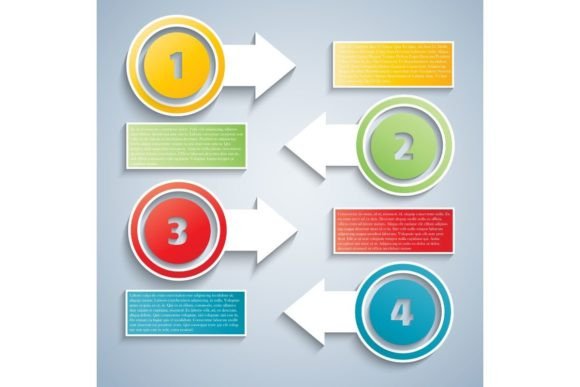
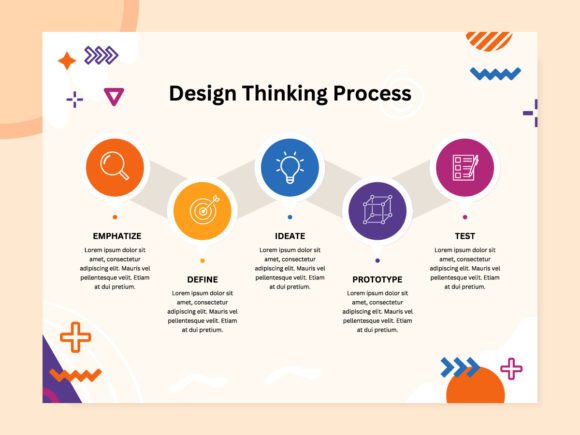
- Process & Flow Arrows: Perhaps the most classic use. These templates visualize steps in a sequence, from a simple linear progression to complex multi-branch workflows. Ideal for explaining operational procedures, onboarding steps, or software workflows.
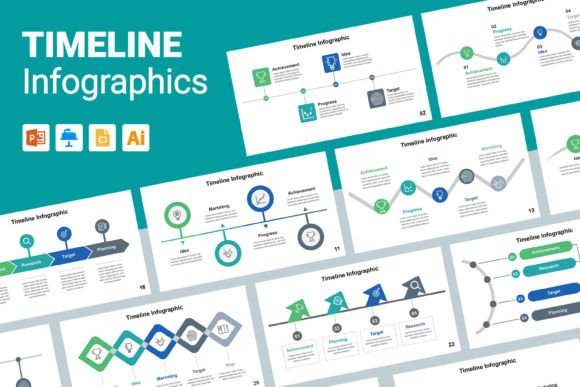
- Timeline Arrows: These designs map events, milestones, or historical data along a directional path. They are perfect for project roadmaps, company history summaries, or product development cycles, giving a sense of momentum and progress.
- Comparison & Contrast Arrows: Often using dual or opposing arrows, these layouts highlight differences, pros vs. cons, or two alternative pathways. They are invaluable for decision-making frameworks, product feature comparisons, or strategic analysis.
- Cyclical & Relationship Arrows: Using loops or interconnected arrows, these templates illustrate recurring processes, feedback loops, or ecosystem relationships. Excellent for sustainability models, continuous improvement cycles, or illustrating interconnected systems.
Each type serves a distinct communicative function, but all share the core benefit of the Arrow Infographics Templates Layout: a pre-designed structure that saves you hours of design work while ensuring visual professionalism.
Integrating Arrow Infographics into Modern Workflows
The true power of a template lies in its adaptability. Today's professionals need tools that integrate seamlessly into their existing software ecosystems. A high-quality Arrow Infographics Templates Layout is provided in multiple, editable formats, making it a versatile asset.
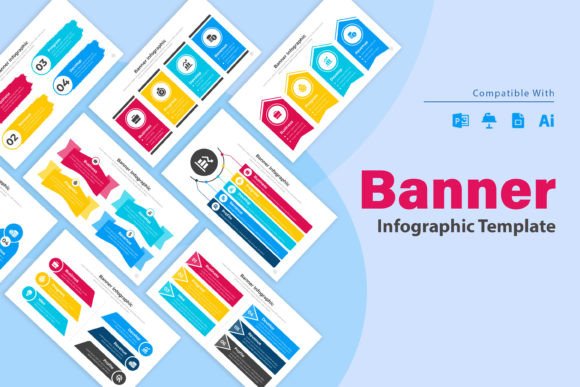
Imagine receiving a single purchase that includes ready-to-use files for PowerPoint PPTX, Google Slides, Apple Keynote, and Adobe Illustrator EPS. This multi-format approach means you can work within your preferred platform. A marketing team can quickly customize a timeline arrow in Google Slides for a collaborative campaign review. A consultant can refine a process flow in PowerPoint for a client workshop. A designer can leverage the vector EPS files in Illustrator to integrate the graphic into a larger website or report design.
This flexibility is essential for modern, agile projects. The "instant download" nature of these digital products means you can respond to urgent needs immediately. There's no waiting for a designer; you have a professional, clean design base that you can edit yourself.
Key Considerations When Choosing Your Template
Before adopting an Arrow Infographics Templates Layout, consider a few practical factors to ensure it meets your needs.
- Editability: Ensure the template is truly 100% editable. Can you change colors to match your brand? Can you resize, remove, or add elements without breaking the design? A good template is a starting point, not a rigid cage.
- Font Usage: Templates that use free, widely available fonts eliminate licensing headaches and ensure you can maintain the visual style without additional cost.
- Clarity of Design: The layout should be clean and uncluttered. The arrow's direction and purpose should be intuitively clear, even before you add your content. Avoid overly decorative templates that might distract from the information itself.
- Support & Documentation: A helpful file with documentation and links to the free fonts used is a sign of a professional product. Access to fast and friendly customer service provides peace of mind for any technical questions.
Choosing a template with these characteristics means you're investing in a reliable tool, not just a one-off graphic.
Elevating Visuals Beyond Presentations
While presentations are a primary application, the utility of a well-crafted arrow infographic extends much further. In website design, an arrow infographic can be used in the "About Us" section to visually summarize a company's history or values. On a landing page, it can illustrate the simple steps a user takes to sign up for a service. In printed reports or whitepapers, these graphics break up text-heavy pages and provide visual anchors for key arguments.
Social media content, particularly for platforms like LinkedIn or Instagram that value clean, informative visuals, is another perfect channel. A snippet of an arrow infographic can communicate a key process or comparison quickly, driving engagement and shares. The consistent use of a branded Arrow Infographics Templates Layout across these touchpoints reinforces your organizational identity and creates a cohesive visual language.
Ultimately, these templates empower individuals and teams who may not have formal design training. They democratize good design, allowing the focus to remain on crafting the message and the data, while the template handles the structural aesthetics. This leads to more consistent, professional, and effective communication outputs across all mediums.
A Practical Approach to Implementation
Start by identifying the message that needs structure. Is it a process? A timeline? A comparison? Match your core message to the appropriate arrow infographic type. Then, using your editable template, follow a simple process: first input your core headings or milestones, then add your supporting details, and finally customize the colors and fonts to align with your brand. Resist the urge to overfill every available space; the strength of an arrow layout is its guided simplicity.
By making data dance and information memorable, arrow infographics fulfill a fundamental need in modern communication: clarity through design. A versatile Arrow Infographics Templates Layout is not just a set of slides; it's a strategic tool for visual storytelling that elevates website visuals, presentations, and any project where clear communication is paramount.