The Power of Visual Tools: How Design Thinking Infographics and Data Dashboards Shape Understanding
In an age overflowing with information, the ability to make sense of complex ideas and vast datasets is more critical than ever. Two powerful visual tools stand out in this quest for clarity: the Design Thinking Process Infographic and the Modern Pie Chart Dashboard Data Statistic Graph. While they may seem like simple graphics, these are sophisticated instruments for communication, analysis, and decision-making. This article explores how these visual frameworks work, why they matter, and how they help us navigate modern challenges from business strategy to everyday problem-solving.
Demystifying the Design Thinking Process Infographic
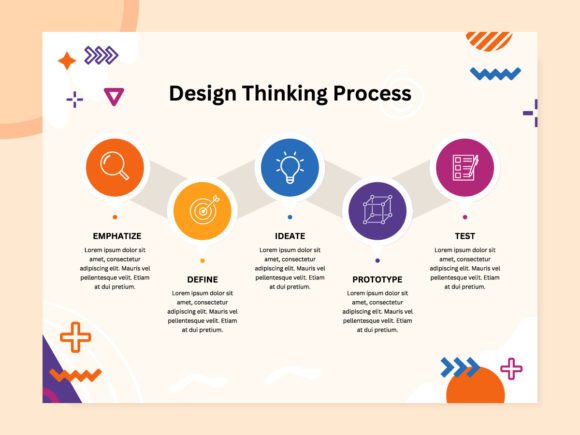
At its core, Design Thinking is a human-centered approach to innovation. It's a methodology that draws from the designer's toolkit to integrate the needs of people, the possibilities of technology, and the requirements for business success. The process is iterative, non-linear, and deeply collaborative. But explaining this fluid, five-stage mindset can be challenging with words alone. This is where the Design Thinking Process Infographic becomes indispensable.
The Anatomy of a Design Thinking Infographic
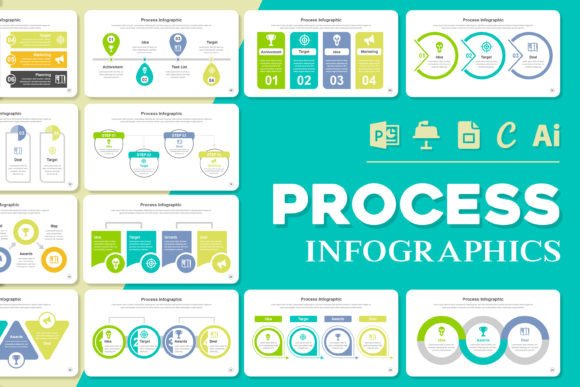
A well-crafted infographic for Design Thinking typically visualizes the key phases, transforming abstract concepts into a clear, actionable journey. It serves as both a map and a manifesto.
- Empathize: This stage is often visualized with icons representing listening, interviews, or observation. It underscores the foundational rule: start with human needs, not assumptions.
- Define: Graphics here might show a funnel, a problem statement being written, or a spotlight focusing on a core issue. It clarifies the move from broad research to a specific problem frame.
- Ideate: Represented by brainstorming clouds, lightbulbs, or expansive networks of ideas, this section encourages divergent thinking and quantity over initial quality.
- Prototype: Icons of simple models, mock-ups, or hands building something represent this "learn by making" phase. It demystifies prototyping as a low-cost, experimental activity.
- Test: Often shown with feedback loops, user testing scenarios, or iteration arrows, this visual element reinforces that the process cycles back, informing new understandings and refinements.
The infographic’s power lies in making this iterative, often messy process feel accessible and structured. It turns a philosophy into a practical checklist that teams can follow, ensuring everyone—from executives to new hires—is aligned on the approach.
The Evolution and Relevance of Modern Data Dashboards
On the other side of the visual spectrum lies the world of data. While the pie chart is one of the most recognizable graph types, its modern incarnation within a dashboard context is far more sophisticated than the simple circles we remember from school. Today's data dashboard is a consolidated, interactive view of key metrics and statistics, where the pie chart plays a specific role alongside bar graphs, line charts, and KPI gauges.
The Pie Chart's Purpose in a Dashboard Ecosystem
A common misunderstanding is that pie charts are for every type of data comparison. In modern dashboards, they are used judiciously. Their primary purpose is to show part-to-whole relationships for a limited set of categories (ideally under six). For instance, in a business dashboard, a pie chart might visually break down:
- Marketing budget allocation across channels.
- Product sales by region for a given quarter.
- Website traffic sources (organic, direct, social, paid).
When integrated into a dashboard, this pie chart is no longer a static image. It might be interactive, allowing a manager to click on the "Social Media" segment to drill down into more detailed social campaign metrics. This interactivity transforms the pie chart from a snapshot into a gateway for deeper exploration.
Synergy in Application: Where These Visual Tools Meet
The true magic happens when these two visual tools—the process infographic and the data dashboard—work in concert. They represent two sides of the same coin: understanding the human journey and understanding the numerical reality.
Consider a tech company developing a new app. They might use a Design Thinking infographic to guide their entire innovation process, ensuring they empathize with users and prototype effectively. Simultaneously, the product team would rely on a live data dashboard featuring pie charts and other graphs to monitor real-world usage after launch: user demographic breakdowns (pie chart), feature adoption rates, and session duration. The infographic guides the creation; the dashboard illuminates the impact. This synergy is pivotal in modern agile businesses.
Practical Relevance Across Fields
The application of these visual tools extends far beyond corporate product development.
- Education: Teachers use Design Thinking infographics to teach students problem-solving frameworks. School administrators use dashboards with pie charts to visualize student enrollment demographics or budget distributions.
- Healthcare: Patient journey infographics help improve service design. Hospital dashboards use pie charts to display case type distributions or resource allocation, aiding in rapid decision-making.
- Personal Projects: An individual planning a personal budget might create a simple dashboard with a pie chart to track spending categories. They could use a Design Thinking mindset (empathize with their own financial goals!) to redesign their savings plan.
In each case, the visual representation lowers the cognitive load, making complex information intuitive.
Creating Effective and Ethical Visuals
With the power to shape understanding comes responsibility. A poorly designed infographic can misrepresent a process; a misleading pie chart can distort data. Here are key principles for creating helpful, trustworthy visuals that adhere to E-E-A-T (Experience, Expertise, Authoritativeness, Trustworthiness) and Helpful Content guidelines.
For Process Infographics
- Clarity Over Decoration: Every icon and arrow should serve the goal of explanation. Avoid visual clutter that obscures the process flow.
- Show Iteration: A good Design Thinking infographic should visually indicate that stages loop back, often using circular arrows or pathways that reconnect to "Empathize."
- Cite Your Sources: If the infographic is based on a specific model (like Stanford's d.school model), reference it. This builds authoritativeness.
For Data Dashboards and Pie Charts
- Use Pie Charts Appropriately: Only use them for part-to-whole comparisons. For comparing individual categories across time or groups, a bar chart is often clearer.
- Label Directly and Accurately: Ensure percentages or values are clearly labeled on or near the segments. Never manipulate scale to exaggerate a segment.
- Context is Key: In a dashboard, a pie chart should not sit alone. Provide context with titles, time frames, and adjacent charts that show related trends. This provides a more complete, trustworthy picture.
Building a Broader Understanding
Ultimately, Design Thinking infographics and modern data dashboards are not just about "design" or "data." They are tools for democratizing understanding. They bridge gaps between experts and novices, between strategy and execution, between intuition and evidence. By making processes and statistics visually tangible, they empower more people to participate in meaningful conversations, ask informed questions, and contribute to solutions.
As you encounter these visuals in your work, studies, or daily life, look beyond the surface. See the infographic as a story about human-centered progress. See the dashboard pie chart as a narrative about composition and relationship. When used thoughtfully and ethically, these tools don't just display information—they build shared knowledge, foster alignment, and drive us toward more informed, creative, and effective actions in every aspect of modern life.