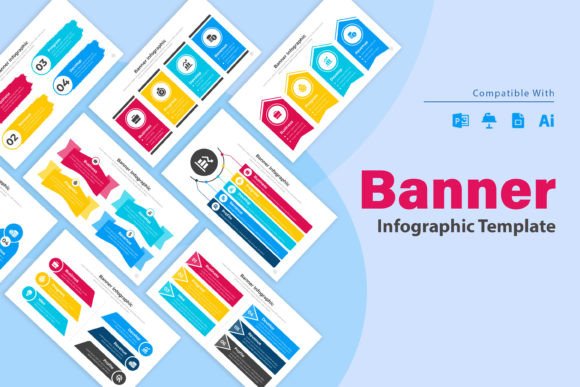
The Power and Flexibility of Modern Infographics Options Layout Design
In today’s information-rich landscape, capturing attention and explaining complex ideas quickly is a constant challenge. Visual communication has become essential, and among its most potent tools is the modern infographic. Specifically, the concept of a Modern Infographics Options Layout Design represents a fundamental shift in how these visual assets are created and utilized. It is not merely a single template, but rather a design philosophy and a flexible framework that empowers creators across numerous fields.
What This Design Philosophy Entails
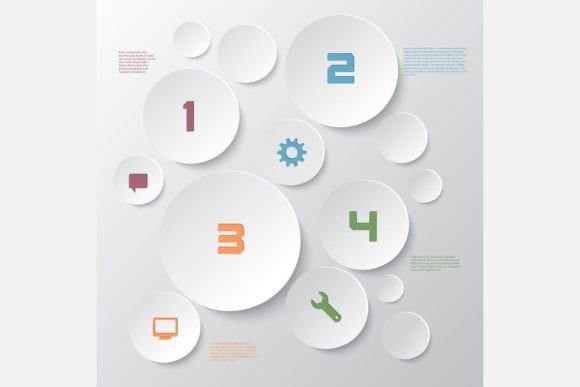
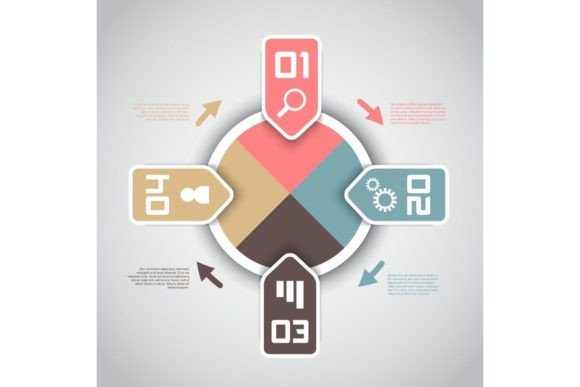
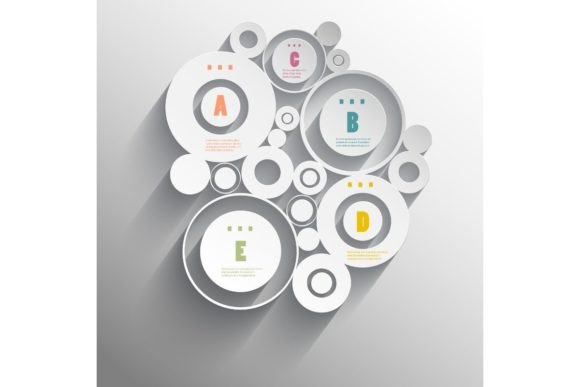
A Modern Infographics Options Layout Design is built on the principle of modularity and adaptability. Unlike rigid, one-off designs, this approach provides a foundational layout system—often delivered as a vector EPS file alongside a high-resolution JPG—that serves as a starting point for a multitude of variations. The core design typically incorporates clean lines, contemporary color palettes, balanced spatial zones for data, and thoughtful typography hierarchies. This base is then a canvas upon which specific content is applied, allowing for rapid iteration and brand consistency.
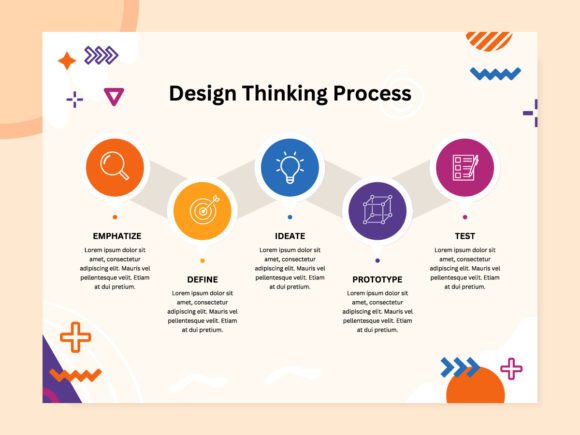
The key characteristic is its inherent options. The layout offers predefined areas for different data types: icon clusters for features, bar or pie chart zones for statistics, timeline sections for processes, and text blocks for explanatory notes. This structured flexibility means an educator can use the same core design to explain a scientific process and a business owner can adapt it to showcase market growth, all while maintaining a cohesive, professional visual style.
Primary Advantages for Content Creators
The advantages of adopting this modular design approach are significant and practical. First, it dramatically reduces production time. Instead of designing from scratch for every new project, creators begin with a proven, aesthetically sound structure. This is particularly valuable for social media managers or marketing teams who need to produce regular visual content under tight deadlines.
Second, it ensures visual consistency. Whether the output is a website banner, a flyer, or a series of social posts, using the same underlying layout design creates a recognizable and trustworthy visual identity for the brand or project. This consistency reinforces message retention and brand recall among consumers and clients.
Third, the inclusion of a vector EPS file is a crucial technical advantage. Vector graphics are scalable to any size without loss of quality, meaning the same design file can produce a crisp poster or a tiny brochure icon. This eliminates the need for multiple file versions and grants complete freedom in final output sizing. The companion 300 dpi JPG provides a ready-to-use raster image for quick placements where vector support isn’t available.
Real-World Applications Across Audiences
The utility of a modern infographics options layout spans a remarkably broad audience. Its applications are defined more by the user’s need than by their industry.
For Business Professionals and Marketers
Business owners and marketing professionals use these designs to translate dry reports into engaging stories. An annual report’s key financials can become an infographic for shareholder presentations. Product feature comparisons can be visualized for sales sheets. Customer journey maps can be designed for internal training. The modern layout helps distill complex business data into formats that are easy for both teams and consumers to digest.
For Educators and Researchers
In academic and research contexts, clarity is paramount. Educators utilize such infographics to summarize historical timelines, explain biological cycles, or illustrate mathematical concepts. Researchers can visually present study findings or methodology for conference posters or public dissemination. The structured layout helps organize intricate information logically, making it more accessible to students, peers, or the general public.
For Digital Creators and Hobbyists
Bloggers, content creators, and even hobbyists find great value in a ready-to-use, stylish template. A hobbyist crafting a guide for a community forum can present steps clearly. A blogger analyzing a topic can enhance their article with a custom-made infographic that elevates their content’s professionalism without requiring advanced design skills. The provided files allow for customization in common software, putting powerful visual tools in the hands of non-designers.
Key Considerations When Implementing This Design
While the design framework offers tremendous flexibility, effective use requires some thoughtful consideration. The most important step is content prioritization. The layout zones must be populated with the most relevant data. It’s easy to overcrowd an infographic; the modern design’s clean aesthetic demands disciplined editing of information to highlight only the core message.
Another consideration is customization balance. While the template provides the structure, successful infographics often need tailored color adjustments to align with brand palettes or slight rearrangements to accommodate a unique data shape. The vector format facilitates these changes, but users should respect the underlying grid and balance to maintain the design’s integrity.
Finally, understanding the output context is vital. The same infographic data might need slight tweaks when used for a detailed brochure versus a quick-scrolling social media post. For social media, text might need to be more concise, while the brochure could include more nuanced detail in the same layout zone. The adaptable design supports this, but the creator must make these contextual adjustments.
Observations on Current Trends and Use
Observing how these modern layout designs are employed reveals several trends. There is a growing preference for minimalist data visualization within them—using simple iconography and clean charts rather than overly ornate illustrations. This aligns with the need for speed of comprehension. Another observable trend is the serialization of infographics; a single layout design is used to create a series of infographics on a topic, like a “week of tips” on social media, providing both consistency and cumulative impact.
Furthermore, the integration of such infographics into interactive web elements is becoming more common. The clear zones and vector nature of the Modern Infographics Options Layout Design make it a suitable foundation for web developers to animate or make interactive certain data points, expanding its utility beyond static prints and posts.
The Workflow: From Template to Finished Product
A typical workflow for utilizing this design begins with selecting the core message and data. The creator then opens the vector EPS file in software like Adobe Illustrator or a similar vector-editing program. The predefined zones—perhaps areas labeled for a headline, key statistics, a process flow, and a conclusion—are populated with the specific content. Colors from the brand guideline are applied, icons are placed, and charts are generated or inserted into the designated areas.
Once the vector file is finalized, it can be exported to any required size for print (like posters or flyers) or digital use. The high-res JPG can be used as a quick reference or placed directly in applications like presentation software or basic image editors. This streamlined workflow democratizes high-quality visual production, enabling a marketing coordinator, a teacher preparing lesson materials, or a researcher to act as an effective visual communicator.
In essence, a Modern Infographics Options Layout Design is more than a template; it is a scalable system for visual thought. It empowers a wide spectrum of users to transform information into insight, data into story, and complexity into clarity. By providing a stylish, flexible foundation along with versatile file formats, it meets the practical needs of our fast-paced, visually-driven world, where the ability to communicate effectively is not just an advantage, but a necessity.