Using Data Visualization to Understand Modern Workplace Dynamics
In today's fast-paced corporate environment, understanding the habits, challenges, and productivity patterns of office workers is crucial for management, HR professionals, and even team leaders. One of the most effective ways to communicate these complex findings is through specialized data visualizations. Office Workers Study Infographics represent a distinct category of visual assets designed specifically to translate workplace research, survey data, and behavioral studies into clear, engaging, and immediately understandable graphics.
The Core Features and Design Philosophy
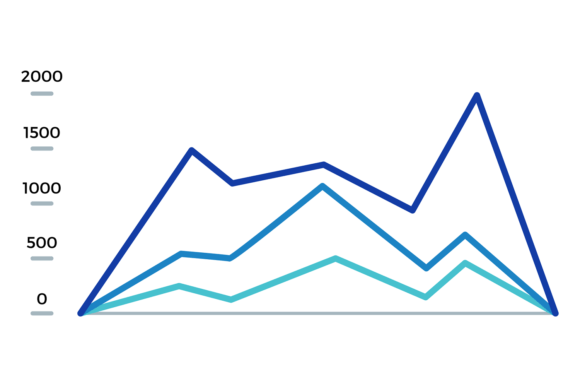
What sets Office Workers Study Infographics apart from generic chart templates is their inherent focus on workplace contexts. Common elements you might find include columns depicting average hours spent on specific tasks, pie charts showing breakdowns of communication methods, or comparative graphs illustrating remote versus in-office productivity metrics. These infographics are often built with a modern, flat design aesthetic—clean lines, minimalist elements, and a focus on data clarity over decorative flair.
The technical specifications are equally important for practical application. High-quality Office Workers Study Infographics are typically provided as fully editable vector files, such as SVG and EPS formats compatible with Adobe Illustrator. This means every component—the columns on a graph, the icons representing workers, the background elements—can be modified. The inclusion of PNG and JPG files offers ready-to-use raster images for quick placement in presentations or web content. The color schemes are usually defined in RGB, allowing for easy adjustment to match any corporate branding palette. The scalable nature of vector graphics ensures the infographic remains crisp whether it's on a mobile screen or a large conference room poster.
Comparing Formats and Their Application Scenarios
When evaluating visual resources for presenting workplace data, the format and flexibility are key decision factors. A static JPG file of an Office Workers Study Infographic might be perfect for a one-time inclusion in a published report or a blog article. However, if you need to adapt the data for different departments—for instance, changing the values on a graph to reflect your own company's survey results—the editable SVG and EPS files become indispensable. This level of customization is a significant strength of professional infographic packages.
Other alternatives in this space include dynamic data visualization tools that generate charts from live databases, or simpler, pre-made chart widgets within presentation software. The tradeoff here is between customization depth and convenience. A tool like Microsoft PowerPoint's built-in charting is quick but may lack the specific thematic icons (like computers, meeting tables, or office plants) that make Office Workers Study Infographics immediately recognizable and contextually relevant. Conversely, the fully editable vector files require software like Adobe Illustrator and a degree of design skill to manipulate effectively.
Strengths and Ideal Use Cases
The primary strength of using a dedicated Office Workers Study Infographic is its communicative power. It bypasses lengthy textual explanations of complex data. For example, a graph of columns comparing time spent in meetings versus time spent on deep work across different departments conveys a problem instantly. The modern design ensures it feels contemporary and aligns with today's professional documents, enhancing credibility.
These resources are a right choice in several realistic scenarios: crafting an internal presentation to advocate for a change in workplace policy, enriching an annual report section on employee engagement, or creating training materials that explain evolving work patterns. They are particularly valuable for professionals who need to present research findings but lack the time or graphic design expertise to create such visuals from scratch. The fully editable nature means a communications team can take a base infographic, adjust the colors to corporate standards, update the data points to reflect their latest study, and deploy it across multiple channels consistently.
Understanding Limitations and Potential Tradeoffs
While highly useful, pre-designed Office Workers Study Infographics have inherent limitations. They are, by nature, based on common or hypothetical data structures. If your study has a unique, highly unconventional metric or requires a bespoke chart type not commonly available (like a complex multi-axis flow diagram), a generic template may not suffice. In such cases, the alternative path is custom design work, either internally or through a commissioned designer.
Another consideration is the balance between aesthetic appeal and data accuracy. A beautifully designed flat illustration might simplify a graph to look cleaner, but it's crucial that the visual scaling accurately represents the underlying numbers. The professional using the editable file must ensure that when they resize columns on a graph to reflect their data, the proportions remain mathematically correct. The ease of resizing and changing colors is a benefit, but it requires a responsible approach to maintain data integrity.
Key Decision Factors for Researchers and Professionals
When deciding whether to utilize an Office Workers Study Infographic resource, consider a few practical factors. First, assess the match between your data structure and the infographic's layout. Does it have the right type of charts—columns, bars, scatter plots—for your information? Second, evaluate your technical capacity. Do you or someone in your team have access to and proficiency with Adobe Illustrator or similar vector editing software to make the necessary customizations? If not, the pre-made PNG/JPG files may be your only functional option, locking you into the presented data and colors.
Finally, consider the scope of your project. For a single, one-off use, a simpler solution might be adequate. For an ongoing initiative where you'll be reporting on workplace studies quarterly or annually, investing in a fully editable, scalable set of Office Workers Study Infographics can save significant time and ensure visual consistency across all your communications. The cost of such a resource package, compared to the time cost of repeated custom design, is a typical point of comparison.
When Another Option Might Be Necessary
Office Workers Study Infographics are an excellent solution for standardizing the presentation of common workplace metrics. However, they may not be the right choice if your needs lean towards real-time data visualization. If your goal is to create a live dashboard on an intranet that updates with daily productivity metrics from a software API, you would need a different category of tool—one that connects to data sources and updates visuals automatically.
Similarly, if the goal is highly interactive exploration of data, where stakeholders need to click on different parts of a graph to drill down into specifics, a static infographic—even in SVG format—won't provide that functionality. In those instances, web-based interactive chart libraries or specialized business intelligence software become more relevant alternatives. The decision hinges on whether you are communicating fixed, historical study results or facilitating ongoing, interactive data analysis.
In essence, Office Workers Study Infographics serve a vital niche. They bridge the gap between raw, often dry, workplace data and compelling visual storytelling. Their editable, scalable, and professionally designed nature makes them a powerful asset for anyone tasked with explaining how modern offices function, evolve, and can be improved. By understanding their distinct features, comparing them to broader visualization options, and honestly assessing their fit for your specific project, you can make a more informed decision on whether they are the resource that will best communicate your insights.